Back

Games for Health

Games can make complex health challenges more approachable, personal, and engaging. We work closely with researchers, healthcare professionals, subject-matter experts, and the people their work is intended to support, translating evidence-based insights into interactive experiences that feel like games first, not clinical tools in disguise. Through story, play, experimentation, and meaningful choice, players can explore difficult situations, build confidence, and practice new ways of responding in a safe environment. Our goal is to bring rigorous research and strong game design together to create experiences that people genuinely want to play and that can make a meaningful difference in their lives.
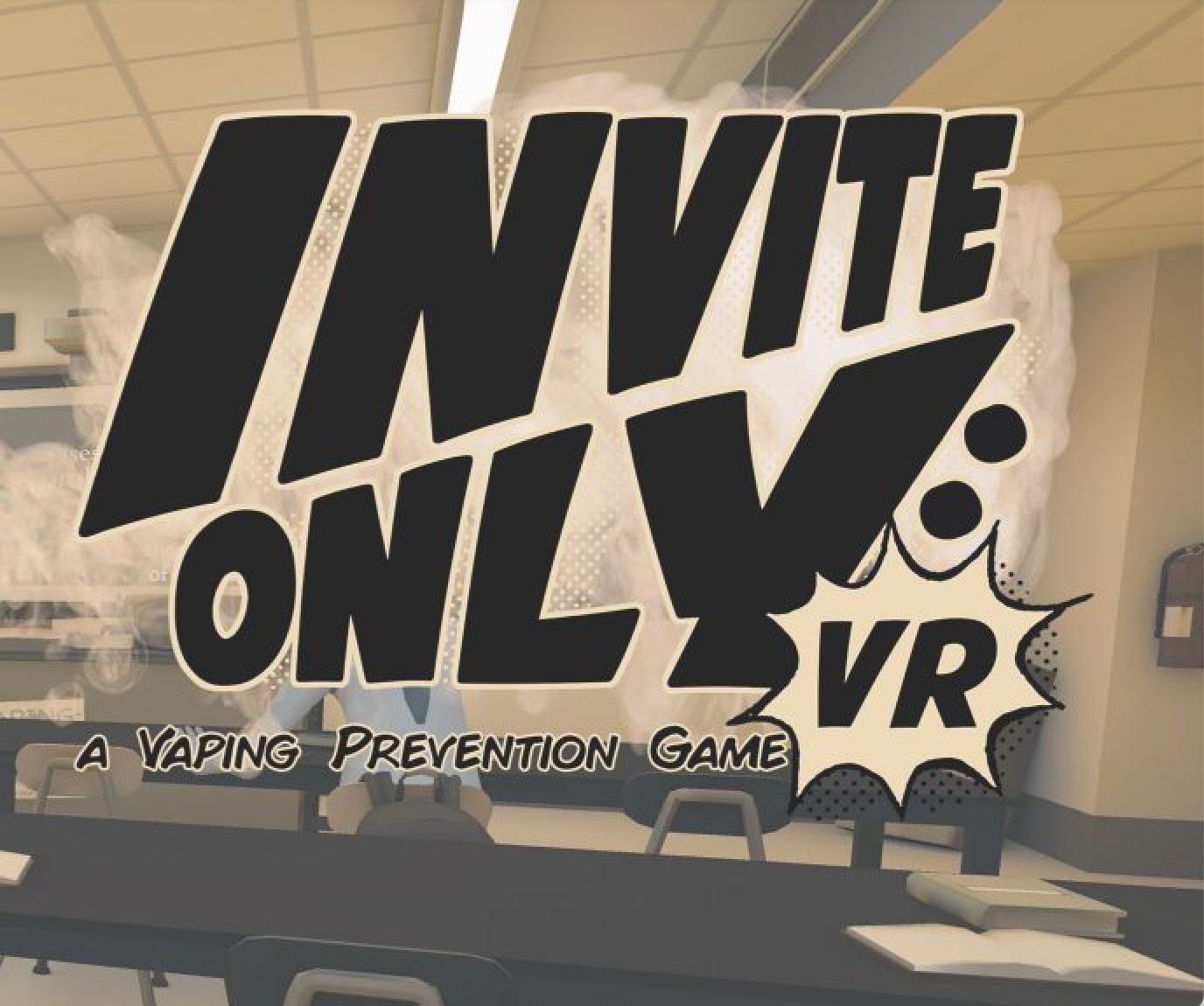
Invite Only VR (in production)

Designed to prevent vaping among adolescents, this immersive virtual reality experience places young people in realistic social situations where they encounter peer pressure and practice refusal, emotion-regulation, and decision-making skills. Developed by Yale’s XRPeds Lab, the project is being expanded and optimized by Gold Bug Interactive in collaboration with behavioral health researchers and subject-matter experts. By allowing adolescents to rehearse responses in believable social contexts, the experience turns evidence-based prevention strategies into skills they can practice rather than simply information they receive.

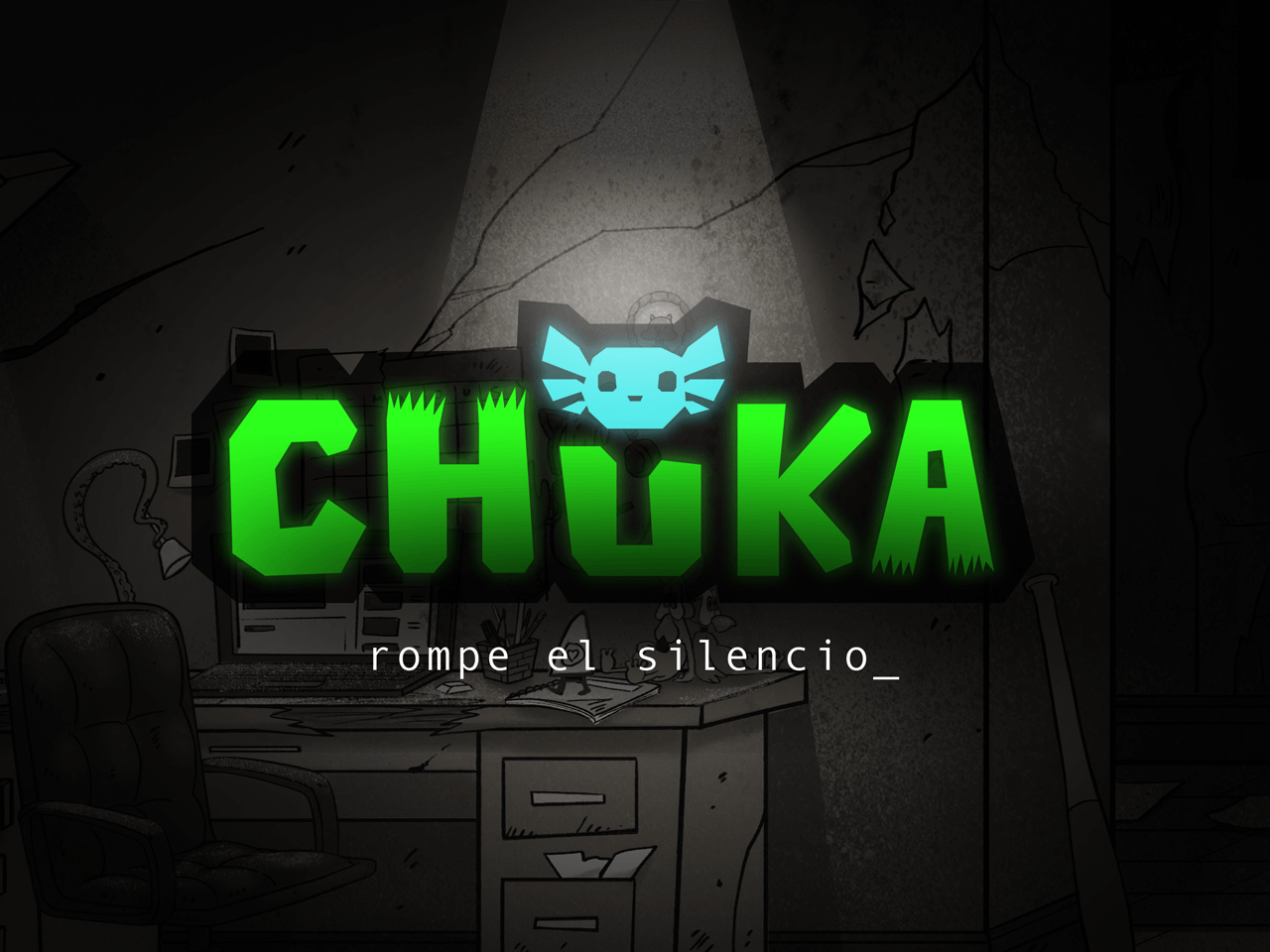
Chuka: Break the Silence

Chuka: Break the Silence

Created to help children recognize and respond to physical, psychological, and sexual violence, this social-emotional learning game transforms prevention strategies into interactive challenges. Developed for UNODC’s Education for Justice with input from psychologists, educators, and children, players experiment with assertive, non-violent responses, learn when to seek help from trusted adults, and build skills related to decision-making, empathy, and resilience. The game has reached more than 250,000 downloads worldwide and is supported by resources for educators, parents, and caregivers.

OPEN-D Platform (in production)

Designed to support children and families during the difficult first months following a Type 1 diabetes diagnosis, this research-informed digital platform brings together interactive storytelling, reflection activities, trusted health resources, and tools that help children better understand and manage their condition. Developed with pediatric diabetes researchers, healthcare professionals, families, and people with lived experience, the project translates research in pediatric health, psychology, and digital learning into an engaging, child-centered experience. Supported by funding from the Fonds de recherche du Québec (FRQ), the platform is designed to build knowledge, confidence, and self-efficacy.

OPEN-D AI Chatbot (in production)

Built to provide children with Type 1 diabetes and their families with personalized, accessible support, this research-driven conversational experience allows users to explore medical, social, emotional, and everyday questions while directing them toward carefully vetted information and resources. Integrated into the broader OPEN-D platform and developed with researchers at McGill University, the project combines pediatric health expertise with emerging AI approaches to patient education. It was funded through a McGill Interdisciplinary Research Development Award exploring innovative intersections of health, technology, and personalized support.

The Game Plan / Le plan de match

The Game Plan / Le plan de match

Created for children recently diagnosed with Type 1 diabetes, this bilingual, research-informed comic uses relatable characters and situations to explore the medical, emotional, and social realities of living with T1D. Developed with pediatric diabetes researchers, healthcare professionals, parents, and young people, the story helps children navigate new routines, friendships, school, family life, and the emotional challenges that can accompany diagnosis. The project was supported by a Breakthrough T1D Canada Mental Health and T1D Community Grant and provides families with an accessible, age-appropriate entry point into life with diabetes.

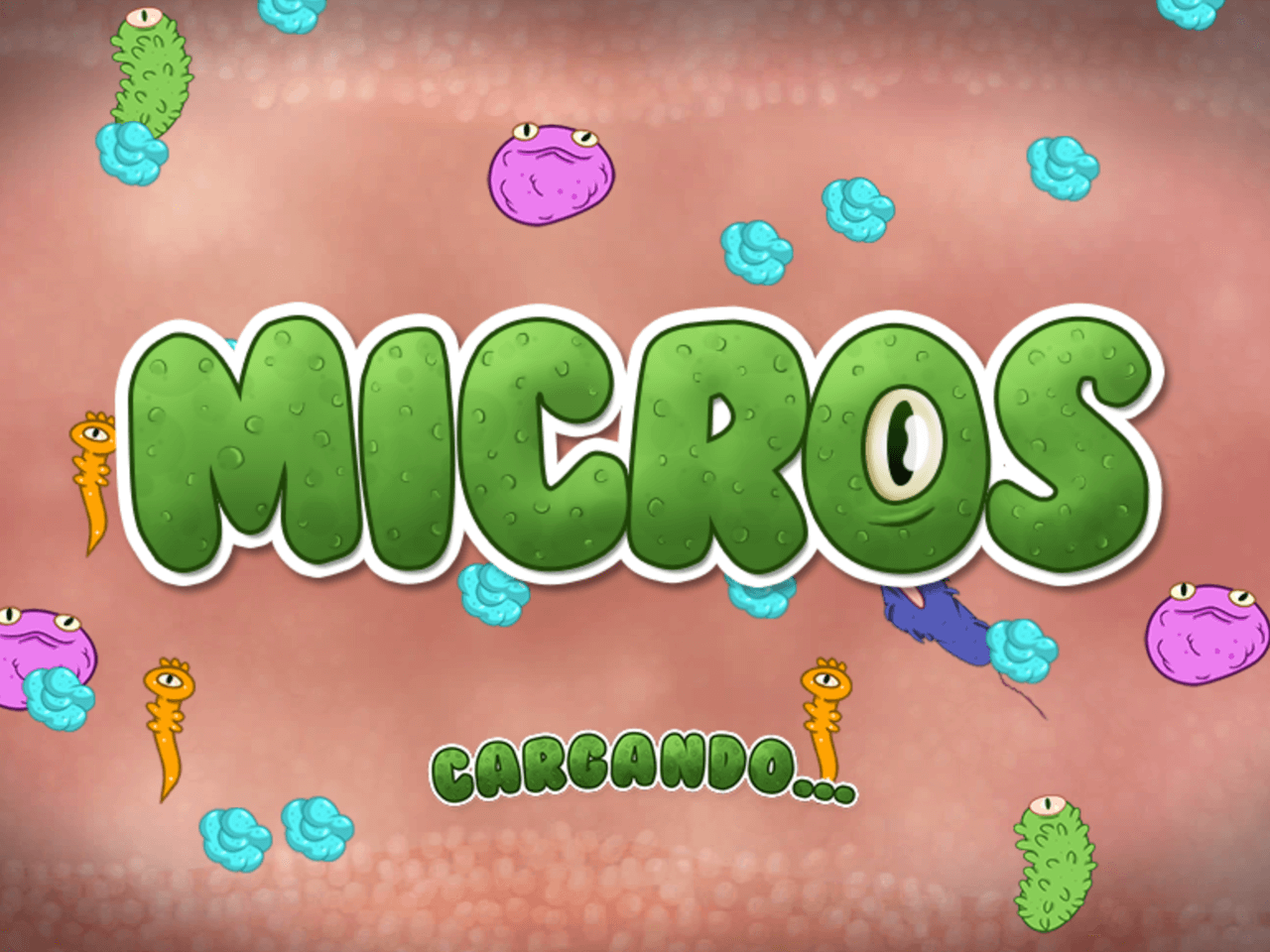
Micros

Micros

Micros is a science learning game that turns the human gut microbiome into an interactive ecosystem. Players manage communities of beneficial and harmful bacteria and observe how changes, including the use of antibiotics, can disrupt microbial balance. By modelling relationships among the microbiome, pathogens, antibiotics, and antibiotic resistance through gameplay, Micros transforms an abstract biological system into something players can experiment with and understand. The result is a playful introduction to an increasingly important area of health science and the responsible use of antibiotics.

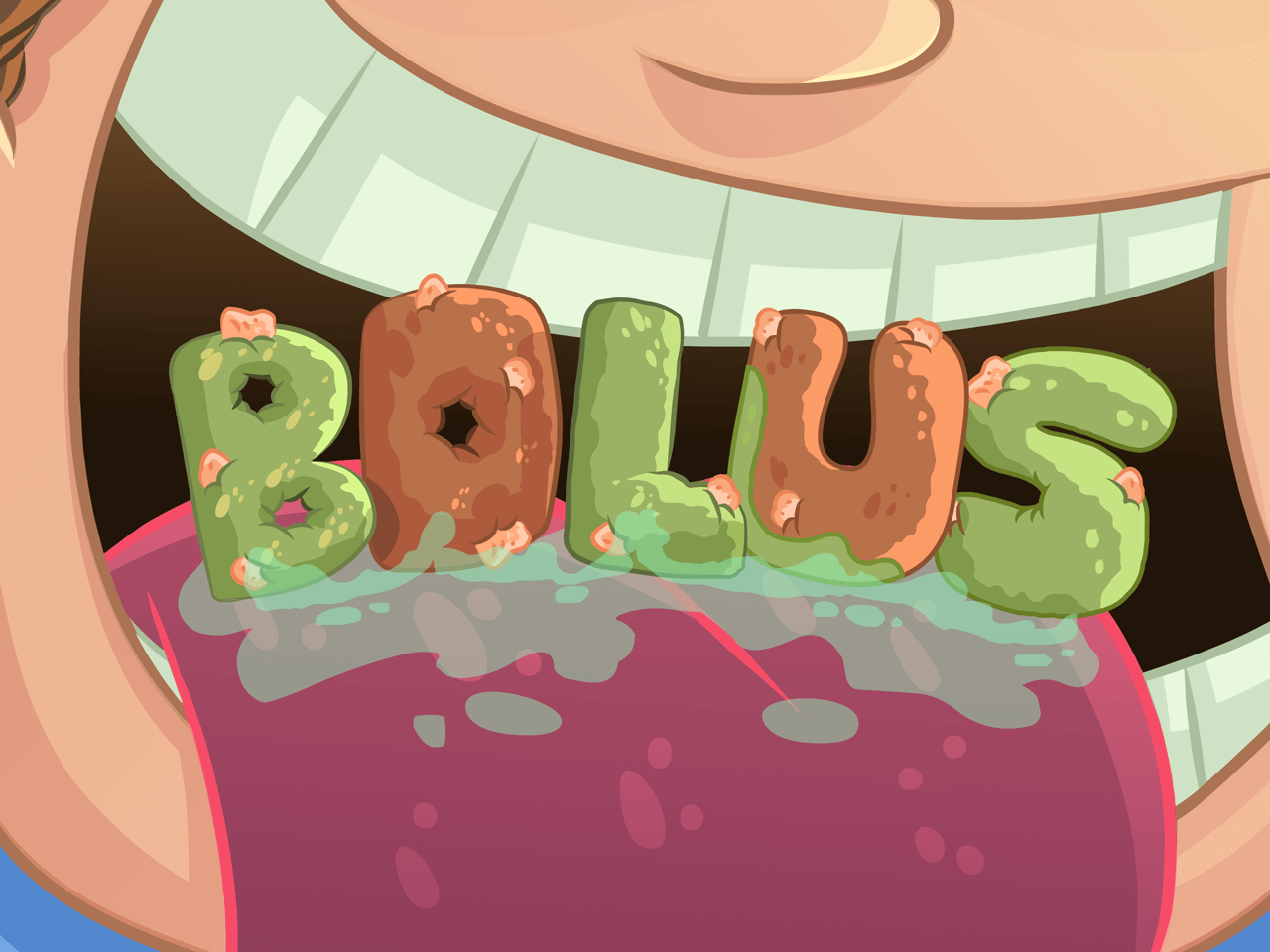
Bolus

Bolus

Bolus is a science learning game that models how the body transforms food into the nutrients and energy it needs to function. Players break carbohydrates, proteins, and lipids into usable components, move them through the bloodstream, and deliver them to cells according to the body’s changing needs. By turning digestion, nutrient absorption, circulation, and cellular function into an interconnected game system, Bolus helps players understand the physiology behind nutrition rather than simply memorizing its parts.

How can we help you?

Send us a message